




On July 2, 2026, several hundred e-commerce professionals gathered in the courtyard of an agency in Saint-Etienne for the "Festival Edition" of BBQ Axome. No booth to staff, no badges to scan, a barbecue and very direct conversations about AI agents in e-commerce. Alexis and I were both there, and we came home with a notebook full of insights, precise questions and concrete feedback.
An agency courtyard in Saint-Etienne, not a conference room
Axome has been building online stores from Saint-Etienne for more than twenty years. The agency is a Shopify partner, it joined the European Digital Group, and every summer it invites the French e-commerce ecosystem to its own place rather than renting a venue in the capital. This year the invitation was called "BBQ Axome 2026: Festival Edition": July 2, doors at 6:30pm, rue Agricol Perdiguier, an evening that ended well after midnight.
The crowd covered the whole chain: merchants and their teams, partners across platforms, payment, logistics, CRM and customer service, and a large part of the Axome team. The agency described this edition as its biggest yet, and the turnout confirmed it.
The format changes a lot: it is hard to run through a pitch with a plate in your hand, and the conversations are franker for it.
"Fine, but does it actually convert?"
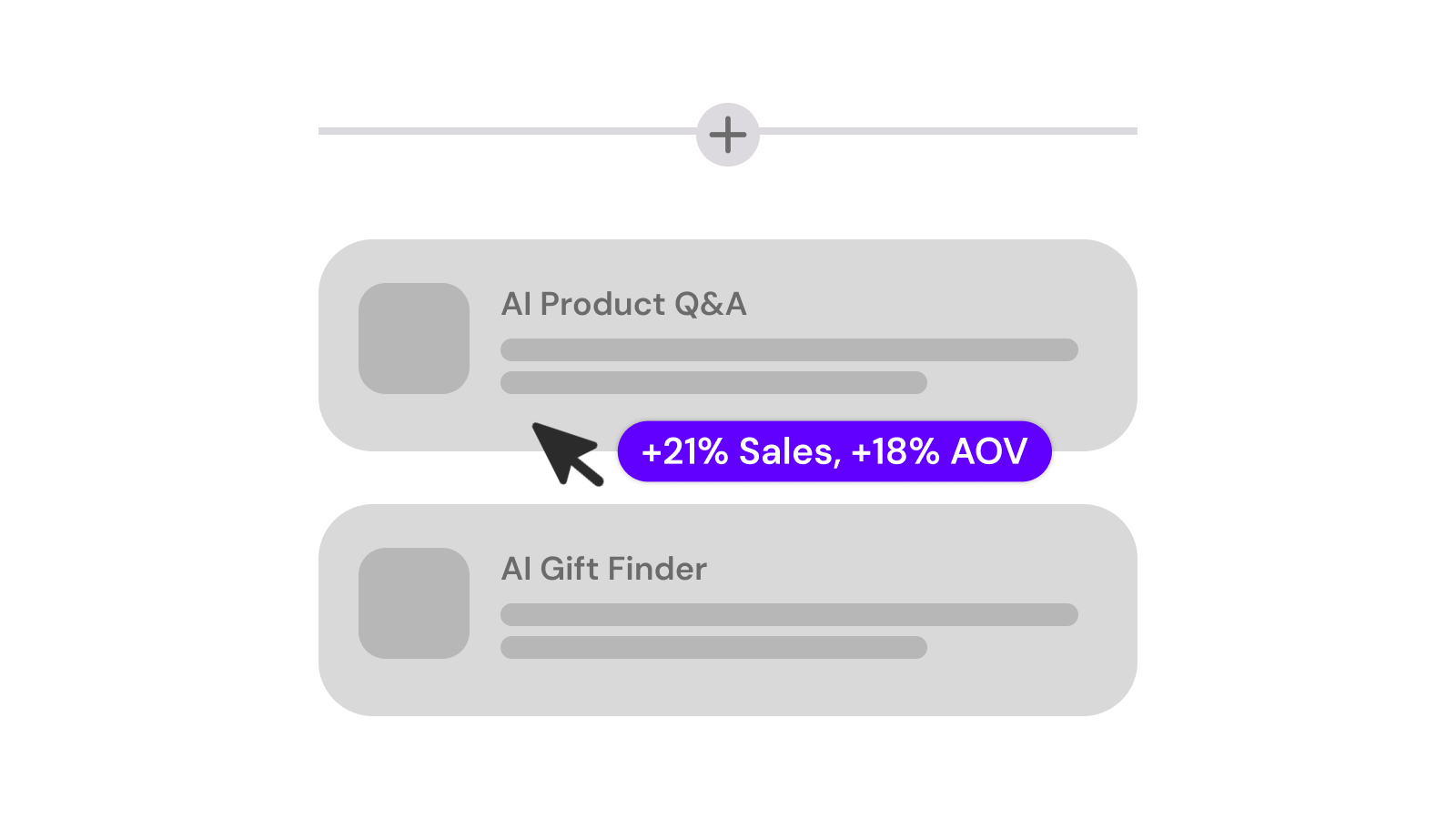
Every conversation that evening eventually landed on AI, and around a barbecue the first question arrives without diplomacy. We answer it with measured numbers: on an A/B test run with our client Supersmart, a 21% increase in sales and a 19% increase in average order value.
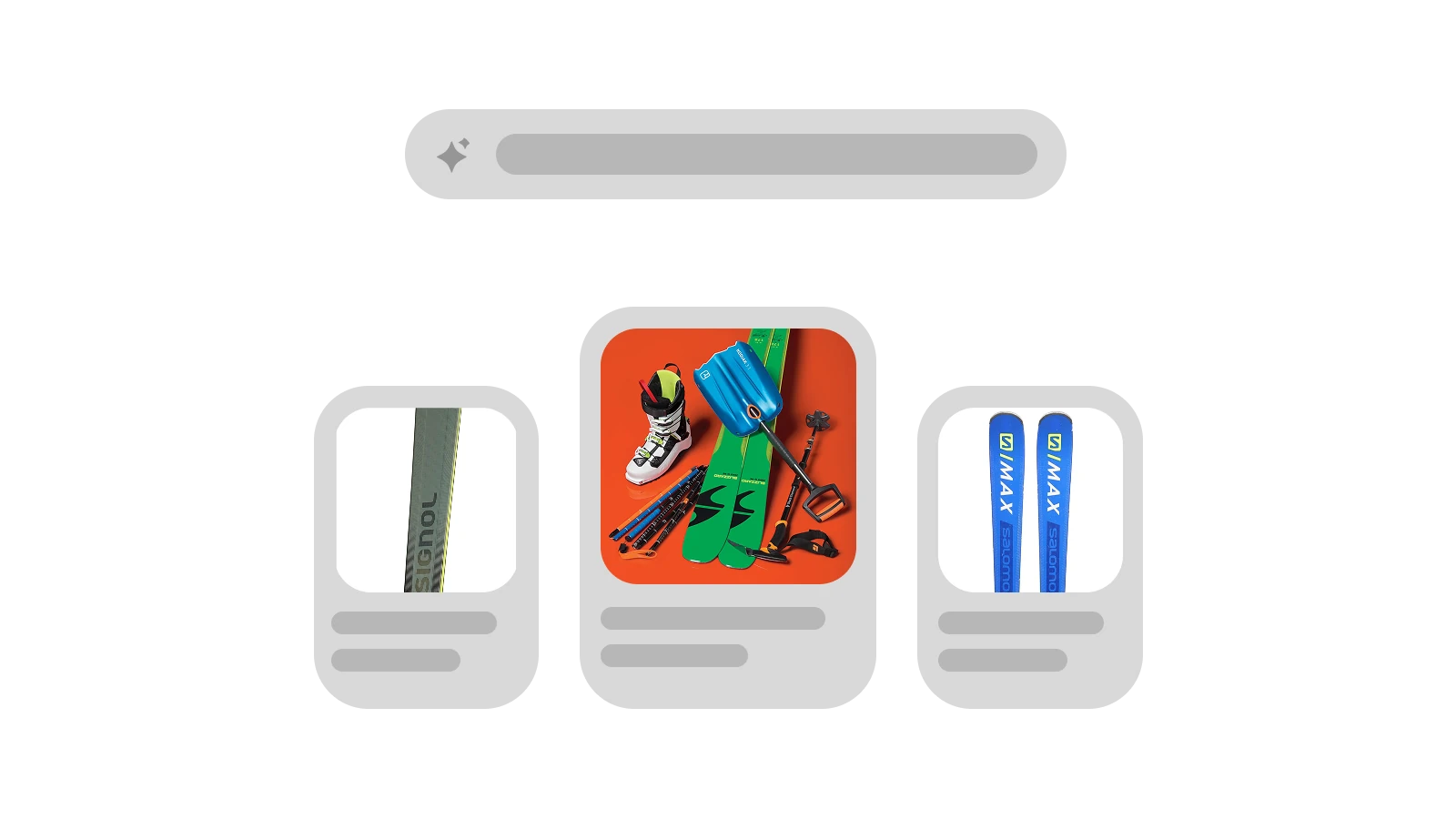
What interests people most is the reason behind those numbers. They do not rest only on visitors who open a conversation: our AI interface blocks are embedded directly in the pages and support even visitors who never interact with the agent. The dynamic FAQs on product pages are the best example: we predict the questions a visitor is asking themselves and answer them right below the add-to-cart button, at the moment of maximum hesitation. That is what explains these rates, and it is also what sets us apart.
The questions that come after the demo
Once the conversion question is out of the way, the discussion gets much more concrete, and much more useful:
- Where does the agent get its product knowledge, and what happens when catalog data is thin or inconsistent?
- Does it know what is actually in stock, per warehouse, per market?
- What does it say when it does not know? Silence, approximation, or a handoff?
- How does the transfer to a human work when the customer service team is three people and one of them is on holiday?
- Who controls the tone of voice, and can the brand team change it without opening a ticket?
- What does it do in a language the brand does not officially support?
None of these are AI questions. They are operational questions, and they are what decides whether an agentic commerce project survives contact with a real store. This is exactly why we build specialized AI agents for e-commerce, trained on each brand's catalog, stock and tone of voice, rather than a generic assistant dropped onto the site. We detail what this looks like in practice on our use cases page, but the short version fits in one sentence: the hard part is almost never the model.
Agencies ask completely different questions
Merchants ask whether it works. Agencies ask what happens in eighteen months. One point came up insistently in our conversations with the Axome team: for an agency that deploys and maintains dozens of stores, a product has to be standardized. Installable without a three-month project, cleanly uninstallable, and able to survive a theme change or a replatforming. Then come the long-run operational questions: what breaks during Black Friday, who is on call, what does the merchant keep if they leave.
An agency has lived through the life cycle of hundreds of stores, including the episodes where a tool that demoed beautifully became a maintenance burden two replatformings later. These questions come from that experience, and they deserve precise answers.
What the people who work with brands every day are seeing
That is the other value of an evening like this one: the Axome team spends its days with brands, which gives it a vantage point few players have. Two signals stood out from our conversations.
Agentic purchases are growing. What was foresight a year ago is becoming an operational topic for agencies: journeys where an agent advises, compares and guides the shopper all the way to the order.
Personalization sells. Brands that offer a genuinely personalized experience are seeing their sales grow, especially personal shopper and quiz or diagnostic formats, very visible in cosmetics. This is exactly the home ground of our vertical AI agents: a skin diagnostic in cosmetics and a size guide in fashion do not ask the same questions, and that is precisely what an agent has to be trained for.
Clients, prospects and partners in the same courtyard
The evening also let us meet in person clients we work with remotely the rest of the year. We used it to run feedback workshops, which have already fed concrete improvements into the product. Brands at the forefront of their categories shared their challenges with us, and we met Axome's other partner solutions, the ones you cross paths with in the same stores without ever talking.
In our demos, two things drew particular attention: the agentic approach across the entire purchase journey, and our AI interface blocks that personalize the site's pages for each visitor. Two capabilities that are still recent, and that many of the people we spoke with were seeing for the first time.
What we take away
This edition confirms a very strong interest across the ecosystem in agentic AI and site personalization. And it is a reminder of what nothing replaces: meeting the people who make the decisions in person, seeing their reactions live, and improving the product as close to the field as possible. In a sales meeting, a merchant will politely say they need to discuss it internally. Later in the evening, the same person explains that a previous chatbot project left a bad memory in the company and that they are in no hurry to do it again. Those objections are worth more than a dozen qualified meetings, because they say exactly what the product has to prove.
The French e-commerce ecosystem is small and surprisingly generous. Humind launched in France in early 2025 and had around 100 clients by January 2026, according to the article SKEMA devoted to the company. Very little of that came from cold outreach. It came from the fact that people in this ecosystem introduce each other, warn each other, and tell each other the truth. Events like this one are exactly where that circulation happens.
Thanks to the Axome team for the organization, for choosing Saint-Etienne, and for the format. If you were there and we talked about AI agents in e-commerce somewhere between the food trucks and the DJ set, that conversation very likely ended up in a note, and several of them in the roadmap.
If you would rather see the agent than hear about it, you can book a demo or read our take on agentic commerce for online stores.